Erget, Ascension, and Resurrection
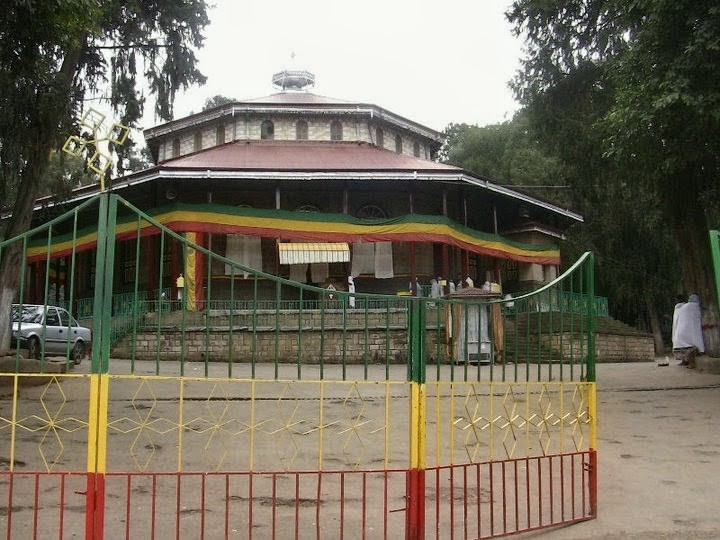
As a daughter incepted, birthed, and raised on the Yeka mountains, I trace my ancestors back to the beginning of time — from Adam and Eve, through the sacred memory of place, prayer, and preservation. Yeka St. Michael reigns in my heart because the tabot, church, and palace were built upon that mountain by ancestors whose legacy stretches into the Axumite empire, into the reign of Atsbeha and Abraha, and into the lineage of seekers, discoverers, builders, creators, leaders, warriors, and knowers. To stand in that inheritance is to remember that history is not distant; it is lived, breathed, and carried in the body.
So when I prayed, lit my candle, burnt my incense, and listened in awe to the early mass and the night mass, I felt something ancient awaken in me. St. Michael’s Day brings out the warrior within me — the strength, the alertness, the sacred fire. And yet, this day also gave my body rest. I slept deeply after hearing chants, prayers, and divine liturgy through the night, falling asleep at 1 a.m. and waking at 7 a.m. in amazement that the worship had reached me even from my bedroom. It was a blessing to hear the living rhythm of faith continue around me, and I felt deeply moved by the ancestors who preserved such a sacred inheritance across generations.
Today is Erget, or ዕርገት — the Feast of the Ascension of Jesus Christ. In the Ethiopian Orthodox Tewahedo tradition, Erget is far more than a date on the calendar, the day after St.Micheal day, Ginbot 13th. It is a living memory, a holy ascent, and a spiritual reminder that Christ rose bodily into heaven forty days after the Resurrection. After appearing to His disciples, blessing them, and instructing them to wait for the Holy Spirit, He ascended in glory, carrying human nature into divine presence.
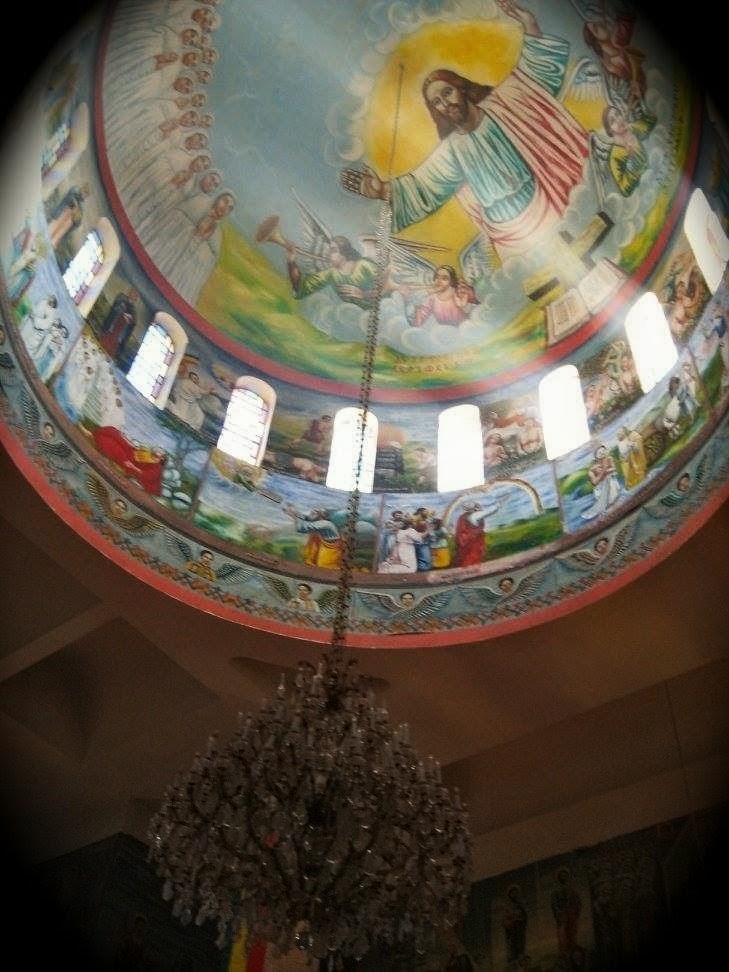
What makes Erget especially meaningful is its continuity. This feast is not treated as an abstract symbol detached from history. It is remembered, chanted, prayed, and embodied. It lives through liturgy, through scripture, through the solemn order of the church, and through the faithful who gather to witness it each year. Erget invites believers to reflect not only on Christ’s ascent, but on their own calling to rise above distraction, fear, confusion, and spiritual stagnation — especially in the uncertain times we live in now.
Erget becomes, therefore, a feast of elevation: of Christ, of human hope, and of communal remembrance. The question is not only how the feast began, but how it continues to shape the moral and spiritual imagination of believers today. That is what makes it such a rich subject — it sits at the intersection of scripture, ritual, history, and lived faith.
Worship and Ritual
The celebration of Erget is marked by prayer, chanting, and the Divine Liturgy, often held in the early morning or overnight. Orthodox worship on this feast is not casual. It is structured through incense, scripture, hymnody, and solemn gathering, reflecting the depth of the church’s liturgical tradition. Mezmur and Wereb shape the atmosphere, helping worshippers enter the mystery of the day through sound, repetition, and reverence.
The external ritual points to an internal discipline. The feast invites believers to reflect on ascent not only as Christ’s movement into heaven, but also as a call to rise above distraction, fear, and spiritual stagnation. The liturgy does not merely commemorate an event; it forms the soul.
Tracing the Meaning
The question is not only what Erget is, but why it remains so central. The answer lies in the Orthodox understanding of the Incarnation: Christ ascends with the human body He took from St. Mary, revealing the unity of His divine and human natures in the Tewahedo faith. This theological emphasis gives the feast a distinct place within Ethiopian and Eritrean Christianity.
The date also follows a clear liturgical pattern. Because Fasika changes each year, Erget moves accordingly, but it is always observed on a Thursday, the fortieth day after Easter. That rhythm itself becomes part of the story, showing how time is spiritually ordered rather than merely measured.
Historical Thread
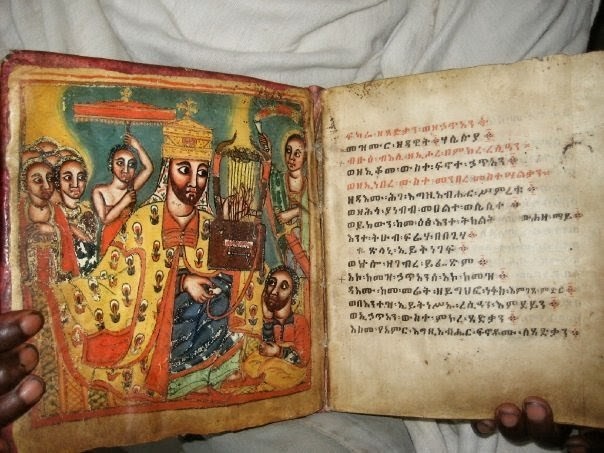
Erget also reveals something about Ethiopian Christian history: faith has been preserved through language, calendar, and worship forms that remain deeply local while staying universal in Christian meaning. The use of Ge’ez, the sacred liturgical language, reinforces that continuity and gives the feast an ancient texture.
That historical endurance matters. In a world where religious memory can become flattened into ceremony, Erget survives as a testimony to the way Orthodox communities preserve theology through practice, and memory through repetition. What survives is not only a doctrine, but a way of being.
Erget is a reminder that faith can be both deeply personal and profoundly communal. It is a feast of remembrance, but also of movement — upward, inward, and forward. It calls us to honor what has been preserved, to listen to what history is still whispering, and to become worthy carriers of the sacred inheritance we have received.
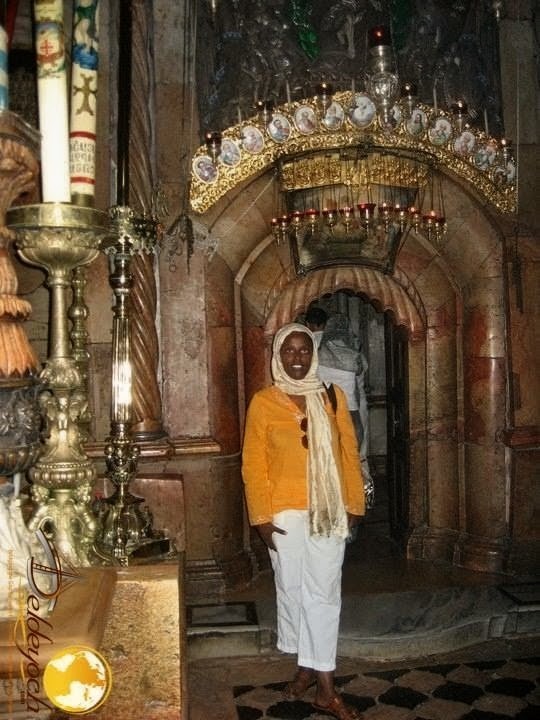
Having travelled across Ethiopia, Africa, Europe, America, the Middle East, and India — crossing the Mediterranean, Red Sea, Indian Ocean, Rift Valley lakes, the Ganges, and the Ghion river — I have come to see this ancient region not only as the cradle of Abrahamic faiths, but as a cradle of humanity itself, and of civilization, memory, migration, ambition, and becoming.
It is a place that brings light to the deep questions of human existence: where we came from, why we wander, what we seek, and how we return. Here, history is not only recorded in books; it is etched into landscapes, rituals, languages, and living memory. This is the land that reminds us of our shared beginnings, our sacred responsibility, and the mystery of being made in the image of God with free will.
And yet, free will has often carried us into distraction. At times, we forget our worth. We become hijacked by greed, fear, scarcity, and noise. We forget that we are already enough, already worthy, already called into light. But through Christ, we are reminded that we are not trapped by the sins of our ancestors. We are offered redemption, healing, and return. Jesus died for our sins, not so that we would remain burdened by shame, but so that we might learn how to live in truth, love, mercy, and trust.
This is where ancient ritual becomes more than tradition. It becomes medicine for the soul. Through prayer, fasting, candlelight, incense, liturgy, and sacred repetition, we are invited into radical forgiveness — not only of others, but of ourselves. We are invited to heal through nature, through silence, through memory, and through reverence for the world we have been entrusted to guard.

To walk this path is to understand that heaven and hell are not only places beyond us. They are also states within us. And the work of faith is to ascend through challenge, through testing, through the curves of life — with the knowledge that all things pass, and that God’s light remains.
Erget, Ascension, and Resurrection are therefore not only theological events. They are living invitations. They call us upward, inward, and forward. They remind us that even in uncertainty, we are not abandoned. We are being shaped, refined, and restored into alignment with the divine.
By Dutchess @deldeyoch


Comments
Post a Comment